
World Hypertension Day 2026: Can High Blood Pressure Affect IVF Success, Fertility & Pregnancy?
For many couples trying to conceive, fertility treatment begins with hope. Hope for answers, for healing, and for the possibility of finally holding a child in their arms. But somewhere between hormone tests, ovulation tracking, IVF cycles, and endless appointments, one important health factor is often overlooked quietly sitting in the background: blood pressure.
Most people associate hypertension with heart disease or aging. Very few realize that high blood pressure can also influence fertility, reproductive health, IVF outcomes, and pregnancy itself.
On World Hypertension Day, the conversation around hypertension needs to become larger, especially for women and couples planning pregnancy through IVF or IUI. Because fertility is not only about the reproductive system. It is deeply connected to the body’s overall health.
At Star IVF, Tilak Nagar, specialists often see patients who are focused entirely on fertility medications while underlying conditions like hypertension, stress, obesity, thyroid imbalance, or PCOS silently continue to affect the body from within. Sometimes, improving overall health becomes just as important as the treatment itself.
The Silent Connection Between Blood Pressure and Fertility
Healthy blood circulation plays a crucial role in reproduction. The ovaries, uterus, and endometrium depend on proper blood flow to function efficiently. When blood pressure remains uncontrolled over time, it can affect vascular health, hormonal balance, and the body’s ability to support conception and pregnancy.
For women, hypertension may be associated with irregular cycles, poor egg quality, reduced endometrial receptivity, and complications during pregnancy. It is also commonly seen alongside conditions such as PCOS, obesity, insulin resistance, and chronic stress, all of which can influence fertility outcomes.
Even in men, prolonged hypertension may impact sperm quality and motility. Fertility challenges are often more interconnected than they appear.
What makes hypertension particularly concerning is that it rarely announces itself loudly. Many young adults in their thirties are completely unaware they have elevated blood pressure until they begin fertility evaluation or pregnancy planning.
This is why modern fertility care is becoming more holistic. Fertility specialists today are not only looking at embryos and hormone reports. They are also paying attention to metabolic health, lifestyle patterns, sleep quality, emotional wellbeing, and cardiovascular risk factors. Because conception is not simply a medical event. It is a whole body process.
Can Hypertension Reduce IVF Success Rates?
The short answer is yes, it can influence outcomes.
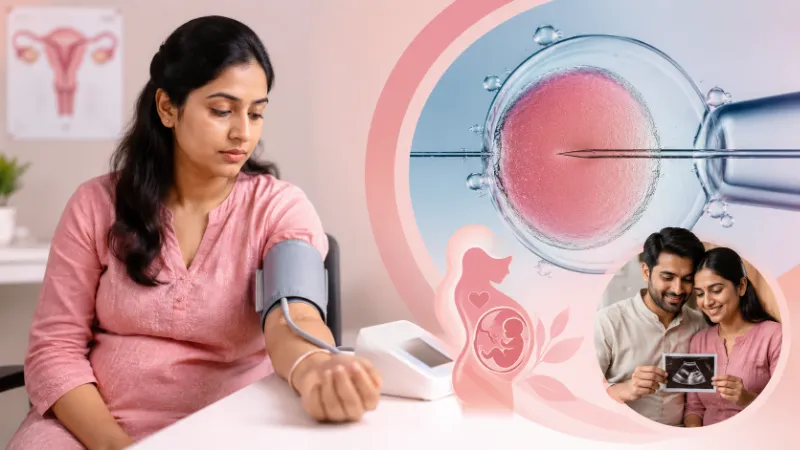
While IVF remains one of the most advanced fertility treatments available today, implantation and pregnancy still depend on how well the body supports the process. Hypertension may affect uterine blood flow, embryo implantation, placental development, and the body’s response to hormonal stimulation during IVF.
Women with uncontrolled high blood pressure may also face a higher risk of miscarriage, preeclampsia, premature delivery, or pregnancy related hypertension later on.
That does not mean couples with hypertension cannot have successful IVF pregnancies. In fact, thousands do. The key lies in awareness, timely diagnosis, and careful medical management before and during treatment.
At Star IVF, Tilak Nagar, pre IVF assessments often include blood pressure monitoring because a healthy pregnancy begins long before embryo transfer. Managing hypertension early can help create a healthier environment for conception and fetal development.
The encouraging part is that small lifestyle changes can make a meaningful difference. Better sleep, balanced nutrition, reduced salt intake, regular physical activity, stress management, and maintaining a healthy weight may improve both cardiovascular and reproductive health simultaneously.
For many couples, fertility treatment becomes more than just a clinical journey. It becomes a turning point toward overall wellness.
And perhaps that is the real message of World Hypertension Day this year. Sometimes the body whispers before it struggles. Listening early can change everything.
Frequently Asked Questions
Question: Can high blood pressure make it harder to get pregnant naturally?
Answer: Yes, uncontrolled hypertension may indirectly affect ovulation, hormonal balance, uterine health, and overall reproductive function, which can make conception more difficult for some women.
Question: Can stress from infertility increase blood pressure?
Answer: Yes. Emotional stress associated with infertility and repeated treatment cycles may temporarily elevate blood pressure levels, especially when combined with poor sleep and anxiety.
Question: Is IVF safe for women with hypertension?
Answer: In many cases, yes. With proper medical supervision, lifestyle management, and monitoring, many women with hypertension safely undergo IVF and achieve healthy pregnancies.
Question: Does PCOS increase the risk of hypertension during fertility treatment?
Answer: Women with PCOS often have a higher risk of insulin resistance, weight gain, and metabolic imbalance, which may contribute to elevated blood pressure.
Question: Can high blood pressure affect embryo implantation?
Answer: Poor vascular health and reduced uterine blood flow associated with uncontrolled hypertension may affect endometrial receptivity and implantation potential.
Question: What lifestyle habits improve both fertility and blood pressure?
Answer: Regular exercise, stress reduction, balanced eating habits, adequate hydration, proper sleep, and maintaining a healthy weight can positively support both fertility and cardiovascular health.
Question: Can hypertension develop during pregnancy after IVF?
Answer: Yes. Some women may develop gestational hypertension or preeclampsia during pregnancy, especially if they already have existing risk factors.